Research – a way to contribute
The work of the Berättarministeriet’s of Science and Technology are made possible through collaboration between the private, public and non-profit sectors. By harnessing the drive of various actors, we can focus on our main mission. One example is KTH, which supports our research efforts.
In 2018, the Berättarministeriet of Education initiated a research project together with KTH. The project “Technology Supported Storytelling for Engaged Student Learning” aims to investigate how digital technology can support and engage children when they work on storytelling.

The Berättarministeriet’s of Education’s pedagogical approach is rooted in storytelling – by creating a narrative around learning, children’s inner motivation to conquer the language and their own storytelling is stimulated. Together with KTH, we will investigate how this effect can be enhanced using digital tools. The project is funded by the Marcus and Amalia Wallenberg Memorial Fund.
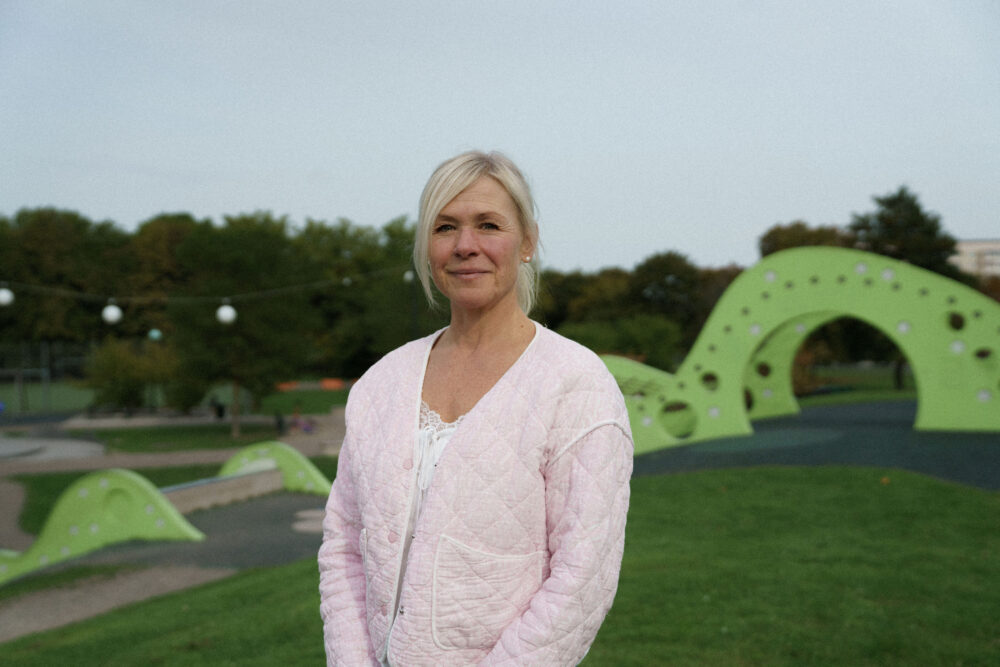
Stefan Stenbom is a technology doctor and an associate professor at the Department of Learning at KTH and will lead the research.
– It feels good to be involved in helping children in socially disadvantaged areas to conquer the language and participate in the societal debate. This is, in the long run, a prerequisite for democracy, says Stefan.
Together with his colleagues, Stenbom will map the digital environment of teachers in order to then develop, test, and evaluate prototypes that will be used by teachers and students in the classroom. The ultimate goal is to further develop the prototypes that have yielded the best results so that they can eventually be used as a permanent component of teaching. The focus will be on Swedish teachers in lower and middle schools working in socioeconomically disadvantaged areas, where the digital divide is often most evident.
Stenbom believes that digital technology can help students find their own expression and emphasizes that, for example, sound and images can be a support in their storytelling. He believes that digital tools can be a support in learning to master a language.
– I hope that at KTH we can contribute to more children mastering the language, he says.
The research project will run for three and a half years. The results will be presented in 2021.