PIRLS: The differences in reading comprehension have never been greater in Sweden
Today, the major international study PIRLS was released, which measures students’ reading comprehension and attitudes towards reading in the fourth grade. The study shows that the differences in reading comprehension between students have never been greater in Sweden. The school a student attends becomes increasingly important, and students with poorer socio-economic conditions are most affected.
The Swedish National Agency for Education summarizes the study in a press release: The differences in reading comprehension in grade 4 increase between groups of students and between schools. Swedish students from families with resources perform at the same level as in the previous measurement in 2016, while reading comprehension among students from families with fewer resources declines. Overall, Swedish students’ results are declining. A similar decline is seen for the Nordic countries and most countries in the EU/OECD. However, Swedish students still perform above the average for the participating countries. This is shown by the international knowledge measurement PIRLS 2021.
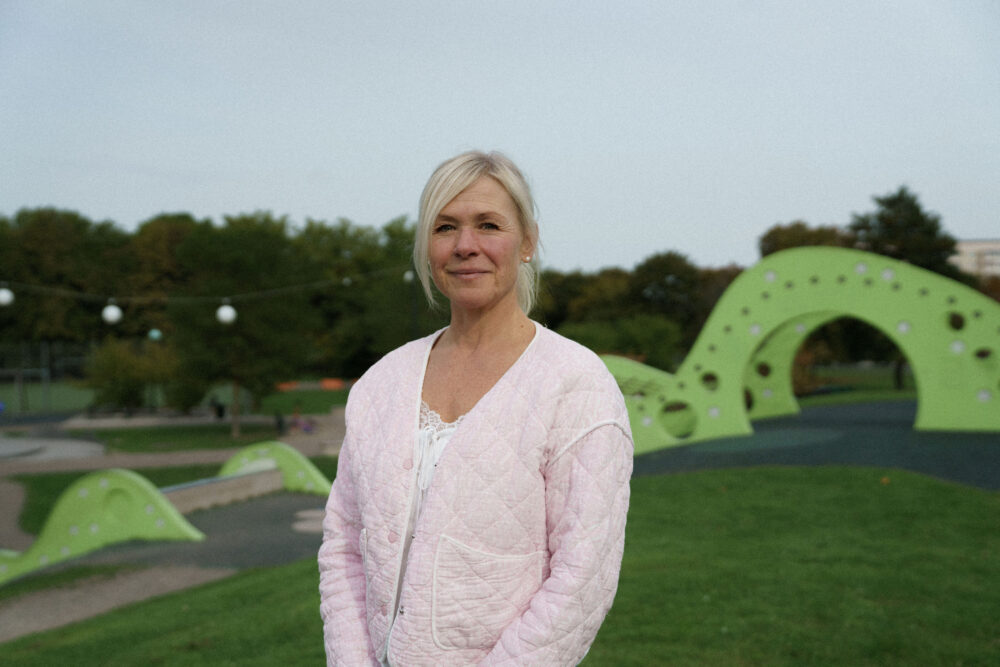
”The Berättarministeriet’s of Education’s experience of a decade of collaboration with teachers from the most vulnerable schools is confirmed by PIRLS. This is an alarming picture, and we view with great concern a development where fewer and fewer children are interested in reading. The negative consequences of school segregation for children’s schooling are a matter of life and death for our society and democracy. Increased efforts in younger ages and support for teachers” daily teaching in resource-poor schools with quality-assured teaching materials are absolutely crucial to ensuring that all children in Sweden are given the opportunity to become active citizens of society,” says Dilsa Demirbag-Sten, Secretary General of the Berättarministeriet’s of Education. Read more about PIRLS here.